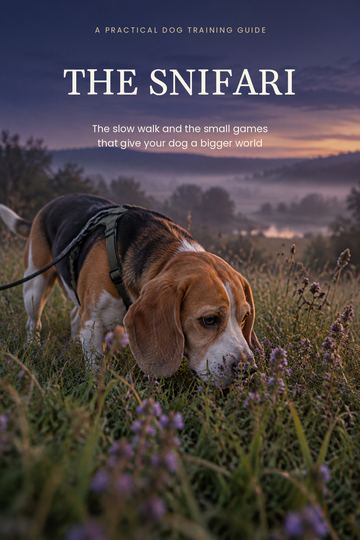
Your dog reaches a lamppost and pulls hard to inspect it. Then there is another smell a few steps away. You want an easier walk, not a walk with no sniffing. Letting your dog explore suitable places can be part of the reward for moving with you.
Start in a quiet area with a secure, comfortable harness and an ordinary leash you can manage. When the leash goes slack, say a simple cue such as "go sniff" and walk together toward a safe patch. If your dog surges and the leash tightens, pause where it is safe, give them a moment to reconnect, then move when there is slack again. Do not use this stop-and-start routine beside traffic or when your dog is frightened, change the route first.
Put sniffing in the plan
Give a few minutes for unhurried exploration before asking for a short stretch of walking together. Reward your dog for moving near you, then release them to a smell. Keep expectations small: a few easy steps are enough at first. Vary the release point so the dog is not always pulling to one exact landmark.
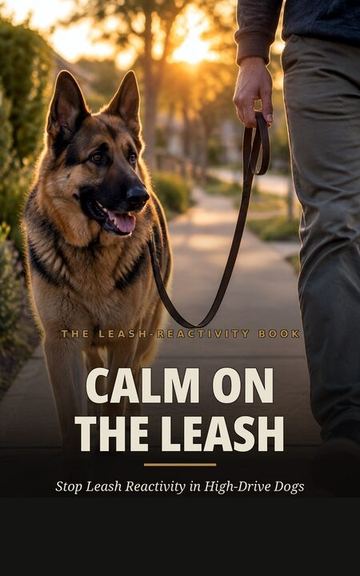
Some scents are not safe to approach: trash, food scraps, other dogs who need space, or the edge of a road. Turn away early, using a reward or a practiced cue, rather than wrestling at the last second. If your dog is so driven toward scents that you cannot hold them safely, get in-person help from a qualified, reward-based trainer.
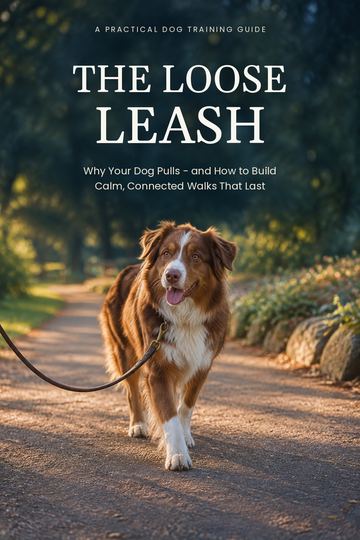
A calmer leash can still take your dog to interesting places. It simply stops the leash tension from choosing the route. For more on making room for safe sniffing, see the sniff-walk guide. Keep the leash slack and choose safe places to explore.
Does one of these sound like yours?
Choose what fits. Nothing is saved or submitted.
Sources & care notes
Sources: Dogs Trust: Teach your dog to walk nicely on a lead. Dogs Trust: Dog walking problems and pulling on lead.
Frequently asked questions
Should sniffing be allowed?
Yes. Letting your dog explore suitable places can make the whole walk calmer, so put sniffing in the plan instead of fighting it.
How do we teach it?
In a quiet area, when the leash goes slack, say a simple cue such as go sniff and walk together toward a safe patch, then give a few unhurried minutes before asking for walking together.
What expectations should I keep small?
A few easy wins: moving near you, then release to a smell, then repeat.
Which scents are not safe?
Trash, food scraps, dogs who need space, or the edge of a road. Turn away early with a reward or a practiced cue.