A bike rolls past and the leash goes tight before you can move. Whether your dog wants to chase it or get away from it, the first job is the same: keep both of you out of its path. You don't need to settle the reason for the lunge in the middle of a busy street.
Make the next walk safer
Choose a quieter route and time. Use a secure, well-fitting harness and a standard leash you can hold comfortably, not a retractable leash or a long line near traffic. Put enough space between your dog and the road that an unexpected lunge cannot carry them into it. If the sidewalk is too narrow, turn around or take a different route. Do not practice beside moving cars just to find out whether today's walk will go better.
If your dog is strong enough to pull you into a road, or you cannot reliably avoid bikes and traffic, get hands-on help from a qualified, reward-based trainer before setting up a roadside exercise.
Find the distance where learning is possible
Pick a place where you can see a vehicle or bike far away without being forced to stand close as it passes. The usable distance is not a fixed number. Watch your dog: can they glance at it, eat a treat, and then look around normally? That is a better starting point than a distance at which they stare, stiffen, refuse food, or lunge. Move farther away when those signs show up. On some days, you may need much more space.
When a vehicle appears at a comfortable distance, offer several small treats as it passes. When it has gone, pause the treats. Keep the practice short and end with an easy walk or sniff. Over repetitions, you may see your dog notice the movement and turn toward you. Reward that turn. You can work closer only when they remain comfortable, there is no need to rush that step.
A bike suddenly coming around a corner is not a training session. Make a calm U-turn, put a parked car or other safe barrier between you and the bike if one is available, and give your dog space. Do not lure them into the road with a treat or hold them beside the trigger until they "get used to it."
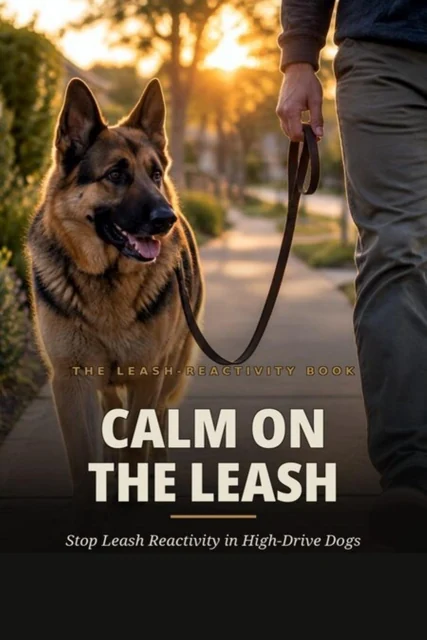
Chasing and lunging can have different roots, including excitement, fear, and sensitivity to movement. If the behavior started suddenly, is worsening, or your dog seems uncomfortable in other situations too, arrange a veterinary check. Training works better when pain and health concerns are not being missed. After choosing a route clear of traffic and a leash you can control, the leash-reactivity guide offers a longer plan for walk triggers. Do not use moving vehicles for close practice.
Does one of these sound like yours?
Choose what fits. Nothing is saved or submitted.
Sources & care notes
Sources: Dogs Trust: How to stop your dog chasing cars, bikes and animals. American Kennel Club: How to Prevent Your Dog From Chasing Cars (updated July 2026). Dogs Trust: How to understand your dog's body language.
This article is general education, not veterinary advice. If your dog seems unwell, is in pain, or something changed suddenly, call your vet. If it could be an emergency, do not wait.
Frequently asked questions
What is the first priority?
Keep both of you out of the path. Whether your dog wants to chase or get away, distance and a secure setup come before anything else.
What equipment should we use?
A secure, well-fitting harness and a standard leash you can hold comfortably, not a retractable leash or a long line near traffic.
Where do we practice?
Choose a quieter route and time, and find the distance where your dog can notice a bike and still stay able to respond.
When do we get hands-on help?
If your dog is strong enough to pull you into a road or you cannot reliably avoid bikes and traffic, get help from a qualified reward-based behavior professional first.