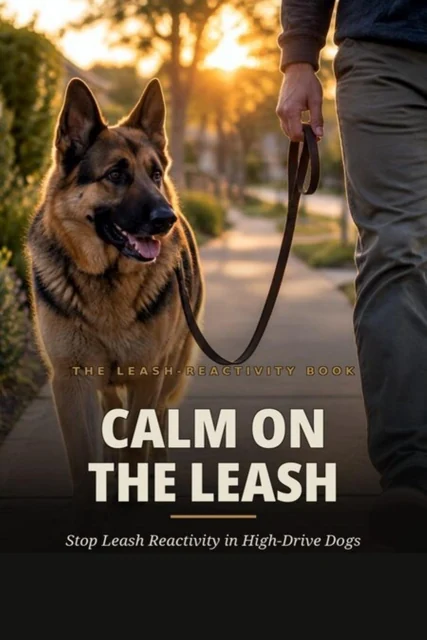
A scooter rattles past and your dog lunges or barks. The movement and sound may be exciting or frightening, but a child is close to the vehicle. Safety comes before diagnosing the motive. Keep your dog on a secure harness and a standard leash you can control. Cross the street where it is safe, step behind a visual barrier, or turn away early. Do not use a long line near a road or allow a scooter-riding child to approach as a training exercise.
If your dog could reach a child or pull you into traffic, change routes and get in-person help from a qualified, reward-based behavior professional. Any bite or injury needs prompt attention, a sudden behavior change calls for veterinary advice too.
Practice with room to leave
Teach a cheerful U-turn on calm walks and reward your dog for moving with you. Then choose a place where scooters can be observed at a great distance, with a clear exit. Reward noticing the movement and turning back toward you before barking starts, then leave. Increase difficulty only when your dog stays comfortable across several sessions. If they freeze, fixate, or stop eating, move farther away.
You do not need to ask children to slow down for your dog. An adult handler can choose a different time or path. A short, quiet walk with no close passes is better practice than a long one full of lunges. For a longer plan around passing movement, see the walk reactivity guide. Keep children and riders out of your dog's training setup.
Does one of these sound like yours?
Choose what fits. Nothing is saved or submitted.
Sources & care notes
Sources: Dogs Trust: How to stop your dog chasing cars, bikes and animals. Dogs Trust: Dogs and children - living happily together.
This article is general education, not veterinary advice. If your dog seems unwell, is in pain, or something changed suddenly, call your vet. If it could be an emergency, do not wait.
Frequently asked questions
Why are scooters so hard?
They combine speed, rattle and a child aboard, so your dog's arousal rises fast and close.
What is the safest habit?
Cross or turn early, keep the leash short and secure, and skip routes along school hours.
Should children slow down?
No. An adult handler chooses the path and timing; children are never practice partners.
Can we train for it?
Distant scooter observation with a practiced U-turn as your safety exit.