A first practice session for a dog who barks or lunges at other dogs should feel uneventful. The point is not to get close or produce a visible transformation in one afternoon. It is to find a safe distance where your dog notices another dog and can remain comfortable while you provide something they value.
Put safety and health first
Ask your vet about new or worsening reactions, since pain or illness can contribute. If your dog has bitten, redirects onto you, is difficult to hold, or you cannot find a safe space with a clear exit, arrange help from a qualified, reward-based behavior professional before attempting a setup. Do not use another dog's fence, a crowded dog park or an unsuspecting member of the public as training equipment.
Choose a wide, quiet place with room to leave. If practicing with a helper and their dog, both handlers should consent and keep a safe distance. Use a secure, comfortable leash and harness. Begin where your dog can notice the other dog, move freely, look away and still accept a reward they normally enjoy. Food can be useful, but ask your vet about dietary limits or use a suitable toy or praise when appropriate. Refusing food can mean the setup is too hard, but it is not a diagnosis by itself.
One easy repetition
As the other dog is visible at a comfortable distance, offer a small reward. Then move away or let the other dog move away. Observe whether your dog can return to ordinary sniffing or walking. End before they become stiff, fixated or upset. On another day you can repeat an easy version. Change only one factor at a time, such as distance or movement, and do not follow a fixed number of repetitions or meter-by-meter schedule. VCA describes desensitization and counterconditioning as gradual work kept below the level that triggers fear. Dogs Trust advises creating enough distance for the dog to relax.
If your dog barks, lunges, freezes or tries to escape, calmly leave. Do not keep feeding while standing too close to a trigger and hope the behavior will disappear. Note what happened and make the next attempt easier. A professional can help tailor the plan to your dog's actual emotion and risk.
Common mistakes
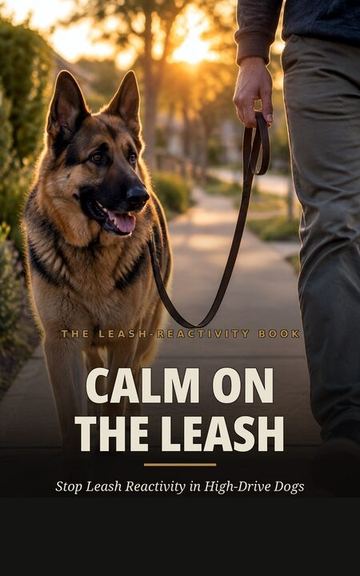
Too little room to leave can turn a planned exercise into a close encounter. Using an unconsenting dog as the trigger can put that dog at risk too. Fixed food, repetition and distance rules ignore health and individual responses. Counting silence as success while the dog is stiff misses their discomfort. The first win is a calm observation at a safe distance, not a close pass. For a broader plan around triggers on walks, see the leash-reactivity guide. Keep the first practice comfortably below your dog's reaction point.
Does one of these sound like yours?
Choose what fits. Nothing is saved or submitted.
Sources & care notes
Sources: Dogs Trust, 'Reactive dogs: why it happens and how to help'. VCA Animal Hospitals, 'Reducing Fear and Stress with Desensitization and Counterconditioning'.
This article is general education, not veterinary advice. If your dog seems unwell, is in pain, or something changed suddenly, call your vet. If it could be an emergency, do not wait.
Frequently asked questions
What should a first session feel like?
Uneventful. The goal is a safe distance and one easy repetition, not a visible transformation.
What comes before practice?
A vet conversation about new or worsening reactions, and professional help if there has been a bite or redirection.
Where should we practice?
A wide, quiet place with room to leave, both handlers consenting and keeping a safe distance.
How do we know it worked?
Your dog can return to ordinary sniffing or walking, and you ended while they were still comfortable.