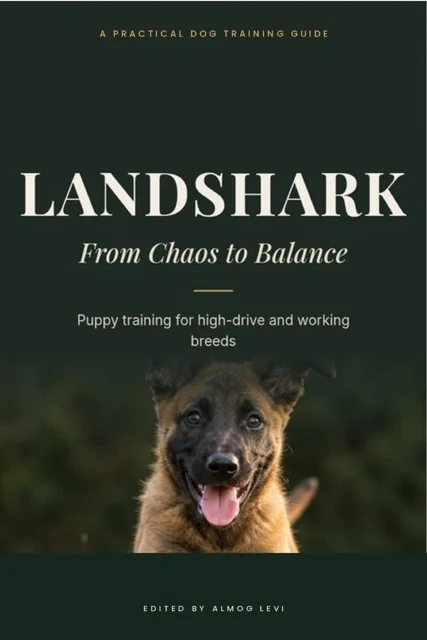
Puppy teeth on your hand can be surprisingly painful. Mouthing is common during play and exploration, but the word 'puppy' does not explain every bite. The pattern matters: what happened just before it, whether the puppy's body is loose or stiff, and whether anyone has been hurt.
Make the next bite less likely
Keep a suitable toy nearby when play begins. Offer it before the puppy starts grabbing hands or clothing, and reward play with the toy. Give them chances for age-appropriate activity, toilet trips and undisturbed rest. If play becomes frantic, pause and make the next activity quieter. Choose chews that suit the puppy's size and chewing style, and supervise them with anything new.
When teeth land on skin, avoid waving your hands or pulling clothing into a tug game. Pause movement if it is safe. When the puppy lets go, offer a toy. If they repeatedly return to skin, step away behind a secure gate or door for a brief break, then return with an easy activity. Dogs Trust recommends redirecting mouthing to toys and creating space when needed, it also warns against shouting, pinning or physical punishment, which may increase fear or frustration.
A puppy needs a comfortable place to sleep, but there is no universal 60-90-minute confinement order for biting. Do not shut a distressed puppy into a crate to stop them. Introduce any crate or pen gradually and kindly, while meeting their need for company, water and toilet access. A quiet rest opportunity is different from forced isolation.
Know when to ask for help
If a bite breaks skin, wash the wound and get medical advice. If the puppy becomes stiff, freezes, guards food or toys, bites hard or repeatedly, suddenly changes behavior, or anyone feels unsafe, separate children and vulnerable people and ask a veterinarian and qualified, reward-based behavior professional for an individual assessment. Pain, fear and frustration can change the plan. Do not wait for a promised age when it will all disappear.
Common mistakes
Treating every bite as harmless teething can miss fear or pain. Letting a puppy practice on human skin does not teach them that toys are for play. Running, squealing or tugging clothing can add excitement. Harsh correction or forced confinement can make an already hard moment worse. Keeping one toy close, pausing safely and protecting rest give you a simple place to start today. For a fuller plan through the biting months, see the puppy biting guide. Hard or unusual bites still need an individual assessment.
Does one of these sound like yours?
Choose what fits. Nothing is saved or submitted.
Sources & care notes
Sources: Dogs Trust, 'Mouthing, nipping and puppy biting: causes and how to stop it safely'. Dogs Trust, 'How to help your puppy get settled into your home'.
This article is general education, not veterinary advice. If your dog seems unwell, is in pain, or something changed suddenly, call your vet. If it could be an emergency, do not wait.
Frequently asked questions
Is puppy biting normal?
Mouthing is common during play and exploration, but the pattern matters more than the age word.
What do I do when teeth land on skin?
Pause movement if it is safe, and when the puppy lets go, offer a toy instead of your hand.
Should I yelp or push back?
No. Waving hands or pulling clothing into a tug game can excite the puppy more. A quiet pause works better.
Does biting mean I need a crate timeout?
No. There is no universal confinement order, and shutting a distressed puppy in a crate can make things worse.