The truck brakes outside, bins roll, and your dog runs for the back room. Collection day is loud and predictable enough to plan around, but not controlled enough to use as the first training session.
Before the truck arrives, bring your dog inside and close access to the front window if they watch it pass. Offer a comfortable room away from the street, soft background sound may help if your dog likes it. Let them hide or stay near you. Don't take them outside to watch the truck so they can "see it's safe." Keep doors and gates secure if they might bolt when frightened.
Teach at a lower volume later
On a calm day, try a brief recording of truck or bin sounds at a very low volume while your dog can rest and take treats. Stop before they tense or retreat. Increase the sound only gradually over sessions if they remain comfortable. The real vehicle has smells, vibrations, and movement that a recording lacks, so continue to manage actual collection days even if practice improves.
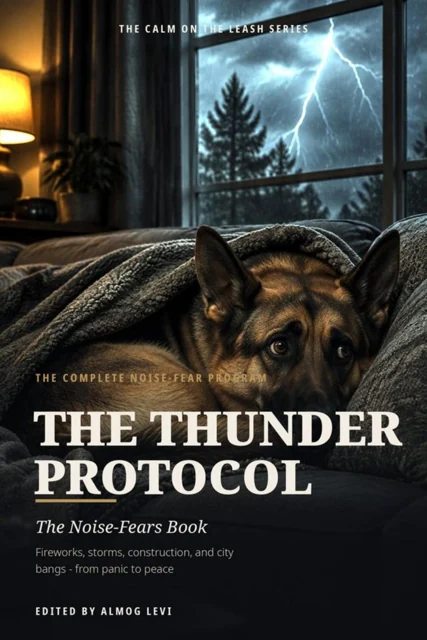
If your dog panics, injures themselves, refuses to go outside long afterward, or starts fearing other noises too, arrange a veterinary check and ask about a qualified, reward-based behavior plan. Don't give medication without veterinary guidance. Your first aim is simply a collection day when your dog has somewhere safe to wait. The noise-fear guide can help you plan sound practice between collection days, keeping your dog away from the truck is still the immediate plan.
Does one of these sound like yours?
Choose what fits. Nothing is saved or submitted.
Sources & care notes
Sources: VCA Animal Hospitals: Fear of Noises in Dogs. Dogs Trust: What to do if your dog is scared of loud noises.
This article is general education, not veterinary advice. If your dog seems unwell, is in pain, or something changed suddenly, call your vet. If it could be an emergency, do not wait.
Frequently asked questions
What do I do on collection day?
Bring your dog inside before the truck arrives, close access to the front window, and offer a comfortable room away from the street.
Should they watch it pass so they see it is safe?
No. Do not take them outside to watch. Keep doors and gates secure so a panicked dash does not end in an escape.
Can we practice with sounds?
On a calm day, play a brief recording at a very low volume while your dog can rest and take treats. Stop before they tense, and increase only gradually.
When do we need more help?
If your dog panics, injures themselves, refuses to go outside afterwards, or starts fearing other noises, talk to your vet.